
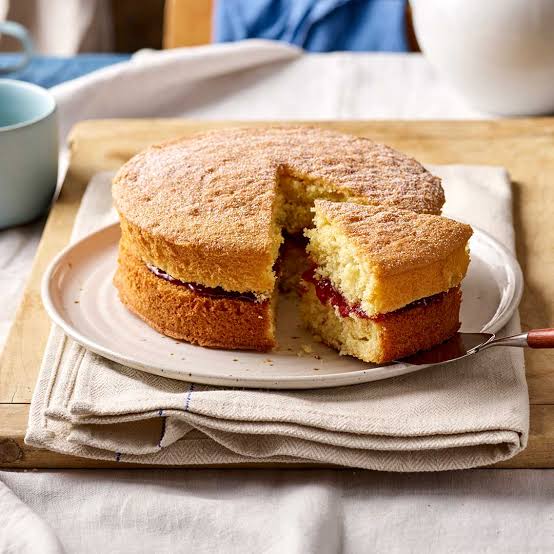
A sponge cake is a timeless dessert loved for its soft texture, light crumb, and delicate sweetness. Whether served at a birthday party, enjoyed with afternoon tea, or layered with cream for a special occasion, this classic cake offers endless opportunities for creativity. Although a traditional sponge cake tastes delicious on its own, experimenting with different flavors can transform it into something truly memorable.
The best part is that you do not need an entirely new recipe to create an exciting dessert. Simple ingredient swaps, aromatic additions, and flavorful fillings can give your favorite cake a fresh personality. From fruity combinations to rich chocolate notes, these ideas can help you customize your baking while maintaining the airy texture that makes sponge cake so appealing.
If you want to impress your family, surprise your guests, or simply explore new baking ideas, here are ten creative flavor swaps that can instantly upgrade your next sponge cake.
1. Replace Vanilla with Fresh Citrus Zest
Vanilla is a popular ingredient in traditional sponge cake recipes, but citrus zest can bring a refreshing twist to the same basic batter. Lemon, orange, and lime each offer a distinctive aroma that balances sweetness and creates a brighter flavor.
Finely grated lemon zest adds a fresh, slightly tangy fragrance, while orange zest produces a sweeter, more rounded taste. Lime is ideal for bakers who enjoy a sharper citrus character.
For the best results, rub the zest into the sugar before mixing the batter. This helps release the natural oils and distributes the flavor throughout the cake. You can also add a small amount of citrus juice, but avoid adding too much liquid because it may affect the cake’s texture.
A lemon sponge cake pairs especially well with whipped cream, fresh berries, or a light lemon glaze.
2. Use Cocoa Powder for a Chocolate Twist
If you love chocolate desserts, replacing part of the flour with unsweetened cocoa powder is an easy way to create a chocolate sponge cake. This simple change introduces a deeper flavor without making the dessert excessively rich.
Start by substituting a small portion of the flour with cocoa powder. Sift both ingredients together to prevent lumps and ensure an even distribution throughout the batter. Since cocoa powder can absorb moisture, follow a tested chocolate sponge recipe when making larger substitutions.
For a more intense chocolate experience, add chocolate chips to a suitable recipe or serve the finished cake with chocolate ganache. You can also combine chocolate sponge layers with vanilla buttercream or fresh strawberries.
This flavor swap works beautifully for celebrations, layered cakes, and desserts designed for chocolate enthusiasts.
3. Add Matcha for an Earthy Green Tea Flavor
Matcha offers a sophisticated alternative to traditional cake flavors. Made from finely powdered green tea, it contributes a distinctive earthy taste, gentle bitterness, and attractive green color.
To make a matcha sponge cake, sift a small quantity of culinary-grade matcha with the dry ingredients. Start with a modest amount because too much can overpower the delicate sweetness of the cake.
Matcha pairs particularly well with white chocolate, vanilla cream, strawberries, and lightly sweetened whipped cream. These additions balance its natural bitterness while allowing the tea flavor to remain noticeable.
This creative swap is ideal for modern dessert menus, afternoon tea gatherings, and anyone looking for a sponge cake that feels a little different from familiar bakery favorites.
4. Swap Regular Milk for Coconut Milk
Coconut introduces a tropical flavor that can make a simple sponge cake feel like a holiday dessert. Depending on the recipe, replacing some of the milk with coconut milk adds a gentle coconut aroma and a creamy character.
Use the type of coconut milk recommended for your chosen recipe. Canned coconut milk is generally richer than coconut beverage sold in cartons, so the two products may not behave identically during baking.
For an even stronger tropical effect, sprinkle toasted desiccated coconut over the finished cake. Pineapple, mango, passion fruit, and lime also complement coconut beautifully.
A coconut sponge cake layered with whipped cream and fresh pineapple can become a refreshing centerpiece for summer parties or family celebrations.
5. Introduce Coffee for a Rich, Aromatic Finish
Coffee is an excellent flavor swap for people who prefer desserts with a deeper, more mature taste. Its roasted aroma complements chocolate, caramel, vanilla, and nuts, making it a versatile ingredient for homemade sponge cake.
Dissolve a small amount of instant espresso powder in the liquid specified by your recipe, or use a measured quantity of cooled, concentrated coffee where appropriate. Avoid adding excessive liquid, as too much moisture may interfere with the cake’s structure.
Coffee-flavored sponge works wonderfully with chocolate frosting, mascarpone cream, or a light coffee buttercream. For a more elegant dessert, create multiple layers with coffee cream and a dusting of cocoa powder.
The result is a cake with a balanced sweetness and a flavor reminiscent of popular café desserts.
6. Try Almond Extract Instead of Vanilla
Almond extract provides a fragrant, slightly nutty flavor that makes a traditional sponge cake taste more distinctive. It works particularly well in cakes served with fruit, cream, or delicate glazes.
Because almond extract is often more concentrated than vanilla extract, begin with a small quantity and increase it only if needed. A little can provide a noticeable aroma without overwhelming the other ingredients.
This swap is especially effective with cherries, raspberries, peaches, and apricots. You can also sprinkle sliced almonds over the cake before baking if the recipe allows, creating a pleasant contrast between the soft crumb and crisp topping.
For special occasions, serve almond sponge with whipped cream and fresh berries for a simple yet elegant dessert.
7. Use Brown Sugar for Caramel-Like Notes
Changing the type of sugar can subtly transform the flavor of your sponge cake. Brown sugar introduces molasses notes that may suggest caramel, toffee, or warm spices.
Light brown sugar offers a gentle flavor, while dark brown sugar creates a more pronounced molasses character. However, brown sugar also affects moisture and texture, so replacing all the white sugar may produce a denser result in some recipes.
A partial substitution is a sensible starting point. Pair the cake with cinnamon, toasted pecans, caramel sauce, or a cream cheese frosting to develop its warm flavor profile.
This variation is particularly appealing during autumn gatherings, holiday celebrations, and cozy evenings when comforting desserts are especially welcome.
8. Add Fresh Strawberries for a Fruity Upgrade
Fresh strawberries can turn a basic sponge cake into a colorful, fruit-forward dessert. Their natural sweetness and slight acidity complement the cake’s delicate flavor.
Instead of adding large quantities of chopped strawberries directly to the batter, consider using strawberry puree in a recipe specifically developed for fruit additions. Excess moisture from fresh fruit can make the crumb heavy or uneven.
Another reliable option is to keep the sponge plain and add sliced strawberries between the layers with whipped cream. A thin strawberry jam filling can provide even more flavor without changing the baking process.
You can apply the same approach to raspberries, blueberries, peaches, or other seasonal fruits. Choose ripe fruit for the best aroma and serve the cake soon after assembling it for an appealing texture.
9. Experiment with Warm Spices
Cinnamon, cardamom, ginger, and nutmeg can give sponge cake a comforting flavor without requiring complicated ingredients. These spices are particularly useful when you want to create a distinctive dessert using ingredients already available in your kitchen.
Cinnamon adds warmth and familiar sweetness, while cardamom provides a fragrant, slightly floral quality. Ginger introduces gentle heat, and nutmeg offers a rich, rounded aroma.
Add small quantities of ground spices to the dry ingredients and mix thoroughly. Begin conservatively because spices can quickly dominate a light cake.
For an inviting combination, try cardamom with orange zest or cinnamon with brown sugar. Spiced sponge cake also pairs well with apple compote, pear slices, honey, or lightly sweetened cream.
10. Create a Honey and Lavender Combination
For a more unusual flavor experience, combine honey with culinary-grade lavender. Honey provides a floral sweetness, while lavender contributes a delicate herbal aroma that can make sponge cake feel refined and distinctive.
Replace only a portion of the sugar with honey when using a recipe that accommodates liquid sweeteners. Honey affects moisture, browning, and sweetness, so a tested honey cake recipe will produce more consistent results.
Use culinary-grade lavender in very small amounts. Too much can make the dessert taste perfumed or soapy. You can also infuse cream with lavender, strain it, and use the cream between cake layers for a subtle flavor.
This combination pairs beautifully with lemon, vanilla, and fresh blueberries, making it suitable for garden parties, afternoon tea, and elegant dessert tables.
Tips for Making Every Flavor Swap Successful
Although experimenting with flavors is exciting, maintaining the light texture of sponge cake requires a little care. Measure ingredients accurately, sift dry ingredients when appropriate, and fold the batter gently to preserve the air incorporated during mixing.
Avoid introducing too much liquid through fruit juices, purees, coffee, or liquid sweeteners. When changing the flour, sugar, or liquid proportions substantially, choose a recipe designed for those ingredients instead of relying on simple one-to-one substitutions.
It is also important to consider how flavors work together. Citrus complements berries, coffee enhances chocolate, and coconut pairs naturally with tropical fruit. Limiting a recipe to two or three complementary flavors often produces a more balanced result than adding numerous competing ingredients.
Finally, allow the cake to cool according to the recipe before adding cream, glaze, or frosting. This prevents fillings from melting and helps preserve the finished dessert’s appearance.
Conclusion
Upgrading your sponge cake does not require professional baking equipment or complicated techniques. Small changes can introduce entirely new flavor experiences while preserving the softness and lightness that make this dessert so popular.
Citrus zest brings freshness, cocoa powder creates chocolate richness, matcha adds sophistication, and coconut offers a tropical twist. Coffee, almond extract, brown sugar, fresh strawberries, warm spices, and honey with lavender provide even more ways to explore your creativity.
Start with one flavor swap, taste the results, and gradually experiment with combinations that suit your preferences. With a little imagination and careful preparation, a familiar sponge cake can become a personalized dessert for everyday treats, celebrations, and memorable gatherings.