
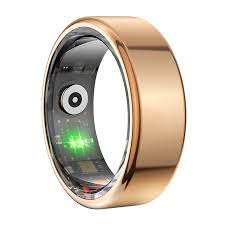
Wearable technology has changed the way people understand their health, sleep, and daily activity. While smartwatches and fitness trackers remain popular, smart rings are becoming an attractive alternative for people who want useful health insights in a smaller and more comfortable design. These compact devices can help users monitor sleep patterns, track daily movement, and develop healthier routines without wearing a large device on their wrist.
Smart rings combine convenience, modern technology, and practical features in a lightweight accessory. Depending on the model, they may track information such as heart rate, sleep duration, activity levels, and other wellness indicators. By reviewing these measurements over time, users can better understand their habits and make informed lifestyle choices.
Whether someone wants to improve sleep quality, stay active throughout the day, or learn more about personal wellness, a smart ring can be a helpful addition to everyday life. Let’s explore the top benefits of using smart rings for sleep and activity monitoring.
1. Better Understanding of Sleep Patterns
Quality sleep is essential for physical health, concentration, and emotional well-being. However, many people do not know how consistently they sleep or how their daily habits affect their rest. Smart rings can provide useful information about sleep duration and patterns, helping users understand their nighttime routines.
Depending on the device, sleep monitoring may include estimates of total sleep time, sleep stages, nighttime movement, and periods of wakefulness. This information can help users identify patterns that might otherwise go unnoticed.
For example, someone who regularly stays up late may discover that their sleep schedule changes significantly throughout the week. By reviewing sleep data, they can work toward maintaining a more consistent bedtime and wake-up time.
Although smart rings cannot replace professional sleep assessments, they can provide a convenient overview of personal sleep habits.
2. Comfortable Design for Overnight Monitoring
One major advantage of smart rings is their compact design. Unlike some smartwatches, which can feel bulky while sleeping, smart rings fit around a finger and generally have a low-profile appearance.
This design makes them suitable for people who prefer not to wear a large device at night. Their lightweight construction can also make it easier to incorporate overnight monitoring into a regular routine.
Comfort is particularly important because a sleep tracker is most useful when people wear it consistently. A ring that feels comfortable throughout the night may encourage more regular use, resulting in a better collection of long-term data.
However, comfort depends on the ring’s shape, weight, material, and fit. Choosing the correct size is essential because fingers can change slightly in size throughout the day and night.
3. Encouraging Daily Physical Activity
Maintaining regular physical activity supports general health and can contribute to better sleep and improved energy levels. Smart rings can help users understand how much they move during an ordinary day.
Depending on the model, activity monitoring may record steps, estimate calories burned, measure movement, or recognize selected forms of exercise. These features allow users to review their daily activity and notice periods when they have been sitting for too long.
For example, a student who spends several hours studying or a professional who works at a desk can use activity information as a reminder to take short walking breaks. Small changes, such as walking after lunch or choosing the stairs, can gradually become lasting habits.
Rather than focusing only on exercise sessions, smart rings can help people recognize the importance of everyday movement. This makes them useful for individuals who want to build a more active lifestyle at a manageable pace.
4. Monitoring Heart Rate and Wellness Trends
Many smart rings include optical sensors that estimate heart rate by measuring changes in blood flow. Some models also measure other wellness indicators, such as heart rate variability or blood oxygen levels, depending on their available features.
These measurements can help users observe general trends over time. For instance, reviewing resting heart rate alongside sleep and activity records may help someone recognize how their daily routine changes during busy or less active periods.
Some devices provide additional insights into recovery or readiness based on several measurements. These scores are estimates rather than definitive medical assessments, so they should be interpreted carefully.
A smart ring should not be considered a replacement for medical equipment or professional advice. Nevertheless, tracking everyday wellness indicators can help users become more aware of their routines and encourage them to seek professional guidance when persistent concerns arise.
5. Supporting Healthier Sleep Habits
Monitoring sleep is valuable not simply because it produces data, but because it can encourage positive behavioral changes. Smart rings make it easier to compare sleep habits across different nights and identify routines associated with more consistent rest.
For example, users may notice differences between nights when they follow a regular bedtime and nights when their schedules change. They can also compare sleep records with factors such as evening exercise, caffeine consumption, or late-night screen use.
These observations can encourage practical adjustments, including creating a relaxing bedtime routine, reducing distractions, and maintaining a consistent sleep schedule.
It is important to remember that sleep-tracking measurements are estimates. A single score should not determine whether someone feels rested or healthy. Combining wearable data with personal experience offers a more balanced understanding of sleep quality.
6. Convenient Monitoring Without a Bulky Screen
Smart rings are designed for people who want wearable technology without the constant visual distractions of a smartwatch. Most have no large display, allowing users to wear them throughout the day without repeatedly checking notifications.
This minimalist design can be especially appealing to people who prefer a simple accessory that blends into their everyday clothing. A smart ring can provide access to collected data through a compatible smartphone application, depending on the product.
Users can review their activity and sleep summaries when convenient instead of checking a screen throughout the day. This approach may help them focus on their work, studies, exercise, and personal activities while still keeping track of useful information.
For people who value simplicity and convenience, smart rings offer a practical way to incorporate technology into everyday wellness routines.
7. Understanding Long-Term Lifestyle Patterns
One of the most valuable benefits of wearable technology is the ability to identify trends over time. Individual measurements provide limited information, but several weeks or months of consistent records can reveal broader patterns.
For example, users may discover that their sleep schedule becomes less consistent during particularly busy weeks. They might also notice changes in daily movement during holidays, study periods, or demanding work schedules.
These observations can help people set realistic goals and make adjustments based on their own routines. Instead of relying on general assumptions, they can use personal information to understand which habits seem to work best for them.
When reviewing trends, it is helpful to focus on consistency and overall well-being rather than trying to achieve perfect scores every day. Wearable measurements are most useful when they support healthy habits without creating unnecessary pressure.
8. A Practical Alternative to Traditional Fitness Trackers
Smartwatches offer a wide range of features, but not everyone needs a screen, messaging notifications, or extensive app controls on their wrist. Smart rings provide a more discreet alternative for people primarily interested in sleep and activity monitoring.
Their smaller size makes them easy to wear with everyday outfits, and many models are designed to operate for multiple days between charges. Actual battery life varies according to the model, sensor activity, settings, and usage.
Smart rings may also appeal to people who find wrist-based devices uncomfortable during sleep or certain daily activities. However, they are not ideal for everyone. Some users may prefer a smartwatch’s display, exercise controls, or more detailed workout features.
Comparing sensor capabilities, battery life, app compatibility, comfort, and price can help buyers select a device that matches their needs.
9. Finding a Smart Ring That Matches Your Needs
Choosing the right smart ring involves more than selecting an attractive design. Buyers should consider which measurements matter most to them and whether the device provides reliable access to that information.
Important factors include sleep-tracking features, heart rate monitoring, activity measurement, battery performance, water resistance, smartphone compatibility, and data privacy. It is also worth checking whether the product requires a subscription to access particular features.
People exploring different wearable devices can visit Colmi to learn about available smart ring options. The website colmi.store can be a useful starting point for reviewing product specifications, comparing designs, and identifying features that suit everyday monitoring needs.
Before purchasing, check the specifications of the exact model rather than assuming that every smart ring offers the same functions. Sensor availability, app features, and monitoring accuracy can differ between products.
10. Building a More Consistent Wellness Routine
Smart rings can make wellness tracking more accessible by bringing sleep and activity information together in a compact device. When users review their measurements regularly, they may become more motivated to maintain healthy routines.
A practical approach is to start with one or two simple goals, such as maintaining a consistent bedtime or taking regular movement breaks. After establishing these habits, users can review their records to see whether their routines have become more consistent.
It is also important to balance wearable information with everyday experience. Feeling rested, having enough energy for normal activities, and maintaining a sustainable routine matter more than achieving a perfect score in an application.
Smart rings work best as supportive tools that encourage awareness and consistency rather than devices that dictate every lifestyle decision.
Conclusion
Smart rings offer several benefits for people interested in understanding their sleep patterns, monitoring daily activity, and developing healthier habits. Their compact design, convenient tracking features, and ability to reveal long-term trends make them an appealing alternative to larger wearable devices.
From encouraging consistent sleep schedules to highlighting opportunities for more daily movement, smart rings can help users make informed decisions about their routines. Features such as heart rate monitoring and sleep analysis provide additional insights, although their measurements should be treated as estimates rather than medical diagnoses.
When selecting a device, consider comfort, available sensors, battery life, app compatibility, privacy, and overall value. Exploring options from Colmi through colmi.store can help you compare suitable models and find a smart ring that fits your lifestyle.
Ultimately, the greatest benefit of a smart ring is not the amount of data it collects. It is how effectively that information helps you build consistent, practical habits that support better sleep, regular movement, and long-term well-being.