
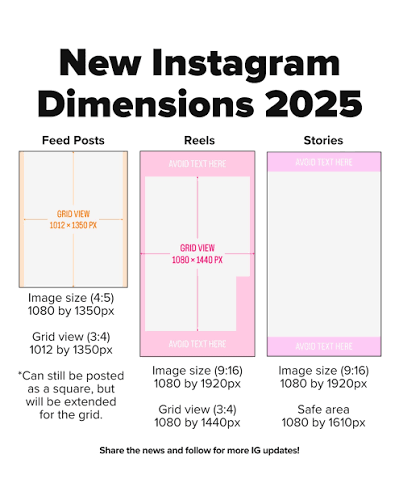
Instagram is one of the most popular platforms for sharing photographs, promoting businesses, and building an online presence. Whether you are a content creator, digital marketer, small business owner, or casual instagram font generator user, uploading high-quality images can make your profile more attractive and professional. However, even a well-designed photograph may lose its sharpness or appear incorrectly cropped if you use the wrong dimensions.
Understanding Instagram image size is essential for creating content that looks clear, balanced, and visually appealing across different devices. From square posts and portrait photographs to Stories and profile pictures, each format has its own requirements. This practical guide explains the recommended image dimensions, useful optimization techniques, and common mistakes to avoid when publishing images on Instagram.
Why Instagram Image Size Matters
Image dimensions influence how your content appears in the Instagram feed, on your profile, and across the platform’s different viewing formats. Images that do not match the intended aspect ratio may be cropped automatically, potentially removing important details from the composition.
Correct dimensions also help designers maintain consistent layouts and make their content easier to view. For businesses, high-quality visuals can support brand recognition and create a more polished impression. For individual creators, properly sized images help communicate ideas without unnecessary distractions.
Although image dimensions are important, they are only one part of the process. Lighting, composition, color balance, and appropriate file compression also contribute to the final result.
Recommended Instagram Image Sizes
Instagram supports several image formats, making it possible to publish different types of visual content. The following dimensions are useful starting points for preparing images.
1. Square Instagram Posts
Recommended size: 1080 × 1080 pixels
Square images remain a popular choice because they create a balanced appearance in the feed. Their 1:1 aspect ratio makes them suitable for product photographs, promotional graphics, quotations, and simple announcements.
Square posts are particularly useful when you want to maintain a consistent grid layout. They can also make it easier to organize multiple images into a visually coordinated collection.
When creating square graphics, keep important text and visual elements away from the edges. This helps prevent essential information from being lost if the image is displayed differently in certain areas of Instagram.
2. Portrait Instagram Posts
Recommended size: 1080 × 1350 pixels
Portrait images use a 4:5 aspect ratio and occupy more vertical space in the mobile feed than square images. This format works well for fashion photography, travel pictures, educational graphics, product displays, and lifestyle content.
Because portrait posts take up more screen space, they can help your visuals stand out while users scroll through their feeds.
When designing portrait images, ensure that the subject remains clearly visible and that text is large enough to read on smaller screens. Avoid placing essential details too close to the borders.
3. Landscape Instagram Posts
Recommended size: 1080 × 566 pixels
Landscape images are useful for wide photographs, group pictures, scenic views, and images that contain several subjects arranged horizontally. A landscape format typically uses an aspect ratio of approximately 1.91:1.
This format is especially suitable when cropping a photograph into a square or portrait layout would remove important parts of the scene.
However, landscape posts occupy less vertical space on mobile screens. Choose this format when the wide composition is more important than maximizing the image’s visible height in the feed.
4. Instagram Stories
Recommended size: 1080 × 1920 pixels
Instagram Stories are designed for full-screen vertical viewing and use a 9:16 aspect ratio. This format is ideal for announcements, behind-the-scenes content, product demonstrations, short promotional graphics, and everyday updates.
For the best presentation, use high-resolution images with clear subjects and readable text. Leave sufficient space near the top and bottom because profile information, captions, buttons, and other interface elements may cover parts of the image.
Stories are temporary by default, but they can also be saved to Highlights. Preparing properly sized images helps maintain a consistent appearance across both formats.
5. Instagram Reels Cover Images
Recommended design size: 1080 × 1920 pixels
Reels covers are generally designed using the same vertical dimensions as Reels videos. However, the cover may appear differently depending on where someone views it.
The full cover can be visible in a vertical viewing experience, while the profile grid may show a cropped preview. Therefore, place the main subject and any essential text near the center of the design.
Before publishing, preview the cover in the available editing interface. A small adjustment to text placement can make a noticeable difference when the image appears in a smaller grid.
6. Instagram Profile Pictures
Recommended upload size: 320 × 320 pixels or larger
A square image is a practical starting point for a profile picture. Instagram displays profile pictures in a circular shape, so the corners of the original square are not fully visible.
For personal accounts, choose a clear photograph with the face positioned near the center. Businesses can use a recognizable logo with enough space around its edges.
Avoid detailed designs, tiny lettering, and complicated backgrounds. Profile pictures are often displayed at small sizes, so simplicity and strong contrast are especially important.
How to Upload High-Quality Images on Instagram
Choosing the correct dimensions is important, but a few additional steps can help preserve image quality.
Start With a High-Resolution Original
Whenever possible, use the original photograph or a high-resolution exported design. Images downloaded from messaging applications or repeatedly edited and saved may already have lost detail.
Starting with a clean source gives Instagram a better-quality image to process.
Use Appropriate File Formats
JPEG is generally suitable for photographs because it balances image quality and file size. PNG is useful for graphics, logos, and designs that contain sharp text or transparent backgrounds, although Instagram’s processing may change how the uploaded image is stored or displayed.
Export the file in a format appropriate for its content rather than converting every image to the same format unnecessarily.
Avoid Excessive Compression
Large image files may need optimization before uploading, but excessive compression can create visible artifacts, blurred edges, and unpleasant color transitions.
Export your image at the intended dimensions and use a reasonable quality setting. Avoid repeatedly compressing the same file through multiple editing applications.
Enable High-Quality Uploads
Instagram provides a setting related to uploading at the highest available quality, although the exact menu labels may vary between app versions.
Check the app’s media quality or data usage settings and enable high-quality uploads if the option is available. Remember that upload quality may also depend on your connection and the platform’s processing.
Check the Image Before Publishing
Review your image at full size before posting. Look for blurry text, unexpected cropping, poor contrast, and important elements that sit too close to the edges.
It is also helpful to preview how the image appears in the feed or profile grid. Small layout changes can improve readability and make the final result look more professional.
Common Instagram Image Sizing Mistakes
Several common mistakes can reduce the quality or effectiveness of Instagram visuals.
Using the wrong aspect ratio: Uploading a wide photograph into a portrait layout may result in unwanted cropping. Prepare the image for the intended format before publishing.
Ignoring mobile readability: Text that looks clear on a computer monitor may become difficult to read on a phone. Use suitable font sizes and avoid overcrowding the design.
Stretching smaller images: Enlarging a low-resolution image can make it appear soft or pixelated. Use a higher-resolution original whenever possible.
Placing text near interface elements: Stories and Reels contain interface controls that can overlap with content. Keep important messages away from these areas.
Overediting photographs: Excessive sharpening, saturation, or filtering can make images look unnatural. Aim for a balanced appearance that preserves important details.
Tools for Resizing Instagram Images
Several image-editing tools can help you prepare visuals for Instagram. Canva offers ready-made social media templates, while Adobe Photoshop provides more advanced control over cropping, resolution, and color adjustments. Free browser-based image resizers can also be useful for straightforward dimension changes.
When selecting a tool, consider how easily it handles aspect ratios, export quality, and template customization. A simple workflow that produces consistent results is often more useful than an unnecessarily complicated editing process.
For businesses managing multiple social media accounts, creating reusable templates can save time and maintain visual consistency across campaigns.
Conclusion
Understanding Instagram image size is a practical step toward creating clearer, more professional social media content. Square posts work well for balanced layouts, portrait images provide greater vertical visibility, landscape photographs preserve wide compositions, and Stories and Reels covers are suited to full-screen vertical designs.
For reliable results, prepare images using the recommended dimensions, start with high-resolution originals, avoid excessive compression, and check how your content appears before publishing. You should also keep important text within safe areas and choose formats that suit the purpose of each post.
By combining correct image dimensions with thoughtful design and careful exporting, you can create Instagram visuals that look polished, communicate your message effectively, and provide a better viewing experience for your audience. Since platform specifications can change, checking Instagram’s current publishing options before preparing a large batch of content is also a sensible habit.