
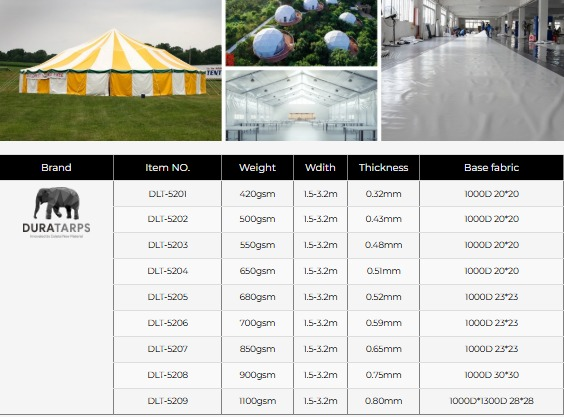
PVC coated fabric has become an essential material across various industries because of its durability, flexibility, water resistance, and protective qualities. From construction and transportation to outdoor products and industrial applications, this versatile fabric provides reliable performance in demanding environments. The process of coating fabric with polyvinyl chloride (PVC) creates a strong surface layer that improves resistance against moisture, chemicals, abrasion, and harsh weather conditions. Understanding the different types of PVC coated fabric can help businesses and consumers choose the right material for their specific needs.
What Is PVC Coated Fabric?
PVC coated fabric is a textile material that has been covered with a layer of polyvinyl chloride to enhance its strength and functionality. The base fabric is usually made from materials such as polyester, nylon, or other synthetic fibers, while the PVC coating provides additional protection. This combination creates a material that is lightweight, durable, and suitable for indoor and outdoor use.
One of the main advantages of PVC coated fabric is its ability to withstand challenging conditions. It can resist water, UV exposure, tearing, and chemical damage, making it a preferred choice for many industrial and commercial applications. Depending on the manufacturing process and coating technology, different types of PVC coated fabric offer unique benefits and characteristics.
1. PVC Tarpaulin Fabric
PVC tarpaulin fabric is one of the most commonly used types of PVC coated fabric. It is widely recognized for its excellent waterproof properties and heavy-duty performance. This fabric is often used for truck covers, outdoor shelters, tents, banners, and protective covers.
The strong PVC layer prevents water penetration while protecting the underlying material from sunlight and environmental damage. PVC tarpaulin fabric is available in different thicknesses and weights, allowing users to select options based on durability requirements. Its flexibility and strength make it suitable for both temporary and long-term outdoor applications.
2. PVC Coated Polyester Fabric
PVC coated polyester fabric combines the strength of polyester fibers with the protective benefits of PVC coating. This type of PVC coated fabric is popular because it offers high tensile strength, resistance to stretching, and long-lasting performance.
It is commonly used for truck side curtains, architectural structures, inflatable products, awnings, and industrial covers. Polyester provides structural stability, while PVC improves resistance against water, chemicals, and wear. This makes it a reliable material for applications that require both flexibility and durability.
3. PVC Mesh Coated Fabric
PVC mesh coated fabric features a unique open structure that allows air and light to pass through while maintaining strength and protection. This type of material is commonly used in outdoor environments where ventilation is important.
Applications include fencing, shade structures, advertising banners, sports facilities, and privacy screens. The PVC coating strengthens the mesh and improves resistance to weather conditions. Because of its breathable design, PVC mesh coated fabric is especially useful for outdoor projects requiring airflow and visibility control.
4. PVC Knife Coated Fabric
PVC knife coated fabric is manufactured by applying PVC material directly onto a textile surface using a knife coating process. This method creates a smooth, even coating that provides excellent protection and performance.
This type of PVC coated fabric is often used for industrial curtains, conveyor belts, protective covers, and storage solutions. The controlled coating process allows manufacturers to produce fabrics with specific thickness levels and surface finishes. PVC knife coated fabric offers excellent resistance against abrasion, moisture, and chemicals, making it suitable for demanding environments.
5. PVC Inflatable Fabric
PVC inflatable fabric is designed specifically for products that require flexibility, airtight performance, and durability. It is commonly used in inflatable boats, water toys, advertising balloons, medical equipment, and emergency structures.
The PVC coating helps maintain air retention while protecting against punctures and environmental factors. This type of PVC coated fabric needs to be lightweight yet strong enough to handle repeated inflation and deflation cycles. Its flexibility and reliability make it an important material for inflatable applications.
6. PVC Fire Retardant Fabric
Safety is a major concern in many industries, and PVC fire retardant fabric is designed to provide additional protection against flames and heat. Special additives are incorporated into the PVC coating to reduce flammability and improve fire resistance.
This type of PVC coated fabric is used in industrial curtains, warehouses, transportation interiors, and protective covers. Fire retardant properties make it suitable for environments where safety standards are required. Along with fire resistance, it also provides durability, waterproofing, and easy maintenance.
7. PVC Architectural Fabric
PVC architectural fabric is widely used in modern construction and design projects. It combines strength, flexibility, and aesthetic appeal, making it suitable for large-scale structures such as stadium roofs, exhibition halls, canopies, and outdoor installations.
This type of PVC coated fabric is engineered to handle weather exposure, wind pressure, and temperature changes. It can be produced in various colors and finishes, allowing architects and designers to create attractive and functional structures. Its lightweight nature also reduces installation challenges compared to traditional building materials.
8. PVC Conveyor Belt Fabric
PVC conveyor belt fabric is designed for industrial transportation systems where durability and continuous operation are required. The PVC coating provides a smooth surface that helps materials move efficiently while resisting wear and damage.
Industries such as manufacturing, packaging, food processing, and logistics often use this type of PVC coated fabric. Its resistance to oils, chemicals, and moisture allows it to perform effectively in different working conditions. PVC conveyor belt fabric can be customized with different textures and thicknesses depending on the application.
Benefits of Using PVC Coated Fabric
The popularity of PVC coated fabric comes from its wide range of benefits. One of the biggest advantages is its durability. The PVC layer protects the fabric from environmental factors, extending its lifespan and reducing replacement costs.
Another important benefit is waterproof performance. PVC coated fabric prevents moisture absorption, making it ideal for outdoor products and protective applications. It is also easy to clean and maintain because dirt and stains can often be removed from its smooth surface.
PVC coated fabric is also highly versatile. Manufacturers can adjust coating thickness, colors, textures, and finishes to meet specific requirements. Whether used for construction, transportation, advertising, or industrial purposes, this material provides a practical solution for many challenges.
Choosing the Right PVC Coated Fabric
Selecting the correct PVC coated fabric depends on the intended application and performance requirements. Factors such as strength, flexibility, weather resistance, fire resistance, and thickness should be considered before making a choice.
For outdoor applications, materials with strong UV and waterproof protection are recommended. Industrial uses may require fabrics with higher abrasion resistance and chemical protection. Understanding these differences helps ensure better performance and longer service life.
Conclusion
PVC coated fabric continues to play an important role in modern industries because of its strength, versatility, and protective qualities. The different types, including PVC tarpaulin fabric, PVC coated polyester fabric, PVC mesh coated fabric, PVC knife coated fabric, PVC inflatable fabric, PVC fire retardant fabric, PVC architectural fabric, and PVC conveyor belt fabric, serve a wide range of purposes. By understanding the characteristics of each type, businesses and individuals can select the most suitable material for their projects and achieve reliable long-term results.PVC coated fabric has become an essential material across various industries because of its durability, flexibility, water resistance, and protective qualities. From construction and transportation to outdoor products and industrial applications, this versatile fabric provides reliable performance in demanding environments. The process of coating fabric with polyvinyl chloride (PVC) creates a strong surface layer that improves resistance against moisture, chemicals, abrasion, and harsh weather conditions. Understanding the different types of PVC coated fabric can help businesses and consumers choose the right material for their specific needs.
What Is PVC Coated Fabric?
PVC coated fabric is a textile material that has been covered with a layer of polyvinyl chloride to enhance its strength and functionality. The base fabric is usually made from materials such as polyester, nylon, or other synthetic fibers, while the PVC coating provides additional protection. This combination creates a material that is lightweight, durable, and suitable for indoor and outdoor use.
One of the main advantages of PVC coated fabric is its ability to withstand challenging conditions. It can resist water, UV exposure, tearing, and chemical damage, making it a preferred choice for many industrial and commercial applications. Depending on the manufacturing process and coating technology, different types of PVC coated fabric offer unique benefits and characteristics.
1. PVC Tarpaulin Fabric
PVC tarpaulin fabric is one of the most commonly used types of PVC coated fabric. It is widely recognized for its excellent waterproof properties and heavy-duty performance. This fabric is often used for truck covers, outdoor shelters, tents, banners, and protective covers.
The strong PVC layer prevents water penetration while protecting the underlying material from sunlight and environmental damage. PVC tarpaulin fabric is available in different thicknesses and weights, allowing users to select options based on durability requirements. Its flexibility and strength make it suitable for both temporary and long-term outdoor applications.
2. PVC Coated Polyester Fabric
PVC coated polyester fabric combines the strength of polyester fibers with the protective benefits of PVC coating. This type of PVC coated fabric is popular because it offers high tensile strength, resistance to stretching, and long-lasting performance.
It is commonly used for truck side curtains, architectural structures, inflatable products, awnings, and industrial covers. Polyester provides structural stability, while PVC improves resistance against water, chemicals, and wear. This makes it a reliable material for applications that require both flexibility and durability.
3. PVC Mesh Coated Fabric
PVC mesh coated fabric features a unique open structure that allows air and light to pass through while maintaining strength and protection. This type of material is commonly used in outdoor environments where ventilation is important.
Applications include fencing, shade structures, advertising banners, sports facilities, and privacy screens. The PVC coating strengthens the mesh and improves resistance to weather conditions. Because of its breathable design, PVC mesh coated fabric is especially useful for outdoor projects requiring airflow and visibility control.
4. PVC Knife Coated Fabric
PVC knife coated fabric is manufactured by applying PVC material directly onto a textile surface using a knife coating process. This method creates a smooth, even coating that provides excellent protection and performance.
This type of PVC coated fabric is often used for industrial curtains, conveyor belts, protective covers, and storage solutions. The controlled coating process allows manufacturers to produce fabrics with specific thickness levels and surface finishes. PVC knife coated fabric offers excellent resistance against abrasion, moisture, and chemicals, making it suitable for demanding environments.
5. PVC Inflatable Fabric
PVC inflatable fabric is designed specifically for products that require flexibility, airtight performance, and durability. It is commonly used in inflatable boats, water toys, advertising balloons, medical equipment, and emergency structures.
The PVC coating helps maintain air retention while protecting against punctures and environmental factors. This type of PVC coated fabric needs to be lightweight yet strong enough to handle repeated inflation and deflation cycles. Its flexibility and reliability make it an important material for inflatable applications.
6. PVC Fire Retardant Fabric
Safety is a major concern in many industries, and PVC fire retardant fabric is designed to provide additional protection against flames and heat. Special additives are incorporated into the PVC coating to reduce flammability and improve fire resistance.
This type of PVC coated fabric is used in industrial curtains, warehouses, transportation interiors, and protective covers. Fire retardant properties make it suitable for environments where safety standards are required. Along with fire resistance, it also provides durability, waterproofing, and easy maintenance.
7. PVC Architectural Fabric
PVC architectural fabric is widely used in modern construction and design projects. It combines strength, flexibility, and aesthetic appeal, making it suitable for large-scale structures such as stadium roofs, exhibition halls, canopies, and outdoor installations.
This type of PVC coated fabric is engineered to handle weather exposure, wind pressure, and temperature changes. It can be produced in various colors and finishes, allowing architects and designers to create attractive and functional structures. Its lightweight nature also reduces installation challenges compared to traditional building materials.
8. PVC Conveyor Belt Fabric
PVC conveyor belt fabric is designed for industrial transportation systems where durability and continuous operation are required. The PVC coating provides a smooth surface that helps materials move efficiently while resisting wear and damage.
Industries such as manufacturing, packaging, food processing, and logistics often use this type of PVC coated fabric. Its resistance to oils, chemicals, and moisture allows it to perform effectively in different working conditions. PVC conveyor belt fabric can be customized with different textures and thicknesses depending on the application.
Benefits of Using PVC Coated Fabric
The popularity of PVC coated fabric comes from its wide range of benefits. One of the biggest advantages is its durability. The PVC layer protects the fabric from environmental factors, extending its lifespan and reducing replacement costs.
Another important benefit is waterproof performance. PVC coated fabric prevents moisture absorption, making it ideal for outdoor products and protective applications. It is also easy to clean and maintain because dirt and stains can often be removed from its smooth surface.
PVC coated fabric is also highly versatile. Manufacturers can adjust coating thickness, colors, textures, and finishes to meet specific requirements. Whether used for construction, transportation, advertising, or industrial purposes, this material provides a practical solution for many challenges.
Choosing the Right PVC Coated Fabric
Selecting the correct PVC coated fabric depends on the intended application and performance requirements. Factors such as strength, flexibility, weather resistance, fire resistance, and thickness should be considered before making a choice.
For outdoor applications, materials with strong UV and waterproof protection are recommended. Industrial uses may require fabrics with higher abrasion resistance and chemical protection. Understanding these differences helps ensure better performance and longer service life.
Conclusion
PVC coated fabric continues to play an important role in modern industries because of its strength, versatility, and protective qualities. The different types, including PVC tarpaulin fabric, PVC coated polyester fabric, PVC mesh coated fabric, PVC knife coated fabric, PVC inflatable fabric, PVC fire retardant fabric, PVC architectural fabric, and PVC conveyor belt fabric, serve a wide range of purposes. By understanding the characteristics of each type, businesses and individuals can select the most suitable material for their projects and achieve reliable long-term results.